The hiring conversation has shifted. While compensation still matters, candidates and employees are increasingly asking a different question:
Will I grow here?
Organizations that can answer “yes” clearly, with proven results, have a clear advantage in both recruiting and retention. Most turnover isn’t about pay. It’s about stagnation. When employees don’t see a path forward, they disengage. And when they disengage, they leave.
This is why learning and development isn’t a “nice to have.” It’s one of the most direct ways to influence retention. In fact, 94% of employees say they would stay longer if their employer invested in their development.
Growth is no longer a perk, it’s an expectation.
Development Attracts Better Talent
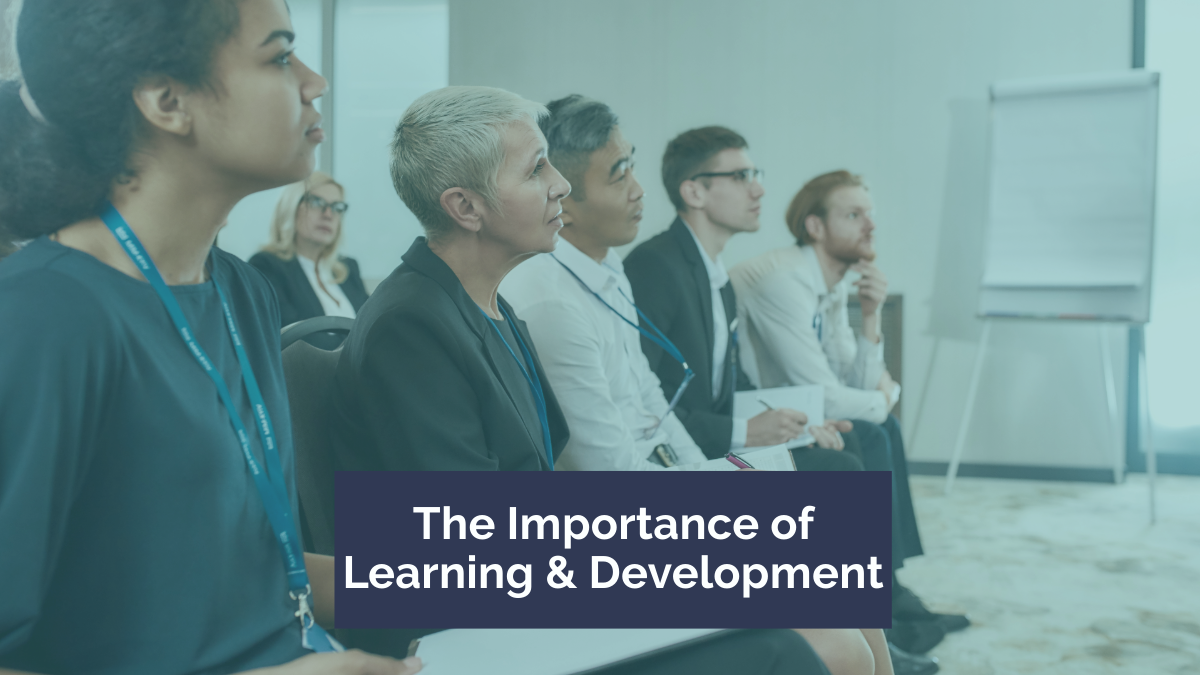
Candidates are paying closer attention to how organizations develop their people. When you offer structured learning, whether through leadership training, communication development, or professional skill-building, you signal long-term investment, not short-term hiring.
That distinction matters. People are more likely to choose organizations where they can build a career, not just fill a role.
Leadership Makes or Breaks Retention
This is where organizations can fall short: by promoting high performers into leadership roles and expecting them to figure it out. Then we’re surprised when they struggle, or when their teams disengage.
This is not a talent issue; it’s a development gap. Managers shape the day-to-day employee experience. Without the right skills, even strong development programs fall flat.
Leadership today requires a different skill set than individual contribution: coaching, feedback, conflict management, decision-making, and communication are all vital. The good news is these are skills that can be developed with the right support.
At the same time, leaders are balancing a full plate with their daily responsibilities. This makes it even more important to provide development that fits into how they actually work.
Organizations that prioritize practical, ongoing leadership development, rather than one-time training, see stronger adoption and real behavior change.
When leaders are equipped with the right skills and support, they’re more confident, more effective, and better able to create the kind of environment where employees are more likely to stay.
Don’t Separate Performance from Wellbeing
One of the biggest shifts in L&D is the integration of wellbeing and workplace soft skills. Training in areas like stress management, communication, and emotional intelligence isn’t “extra”; it’s a necessity that directly impacts performance and engagement.
Employees who feel supported are more focused, more productive, and more engaged. If you want sustainable performance, you must support the whole employee.
AI Is the New Skills Gap
The next major differentiator in learning and development is AI. Most organizations are adopting AI tools faster than their employees are being trained to use them. That gap creates risk, from inefficiency to compliance concerns.
It also creates opportunity. Organizations that invest in AI training and responsible use in the workplace are helping employees work more efficiently, make better decisions, and adapt to changing job duties. Importantly, this signals to candidates: we are preparing you for the future, not just the present.
Make Learning Part of How You Operate
The organizations seeing results aren’t running one-off trainings. They’re building learning into how work gets done.
That means:
- developing leaders continuously
- reinforcing core workplace skills
- addressing compliance and risk proactively
- supporting employee wellbeing
When learning is consistent, it becomes part of the culture, and expectations shift accordingly.
If you’re trying to improve recruiting, retention, and engagement, learning and development should be central to your strategy. It’s one of the few investments that impacts all three. And with AI reshaping the workplace, it’s no longer optional.
If you’re looking to strengthen your learning strategy, explore our catalog featuring a range of topics in leadership development, employee skill-building, compliance, and employee wellbeing.